
 AL(USD)
 AD(USD)
 AT(USD)
 BY(USD)
 BE(USD)
 BA(USD)
 BG(USD)
 HR(USD)
 CY(USD)
 CZ(USD)
 DK(USD)
 EE(USD)
 FO(USD)
 FI(USD)
 FR(USD)
 DE(USD)
 GI(USD)
 GR(USD)
 HU(USD)
 IS(USD)
 IE(USD)
 IT(USD)
 JE(USD)
 LV(USD)
 LI(USD)
 LT(USD)
 LU(USD)
 MT(USD)
 MC(USD)
 ME(USD)
 NL(USD)
 MK(USD)
 NO(USD)
 PL(USD)
 PT(USD)
 MD(USD)
 RO(USD)
 SM(USD)
 RS(USD)
 SK(USD)
 SI(USD)
 ES(USD)
 SE(USD)
 CH(USD)
 UA(USD)
 GB(USD)
 VA(USD)
 RU(USD)
 PK(USD)
Essential Supplies for New Cat Owners: Start Right
- Oct.19, 2026 00:00:00
- 0 Comments
Bringing home a cat is an exciting adventure, but preparing for your new companion takes more than a food bowl and a cozy bed. The right essential supplies for new cat owners can help your feline friend feel safe, stay active, and settle into a happy routine. From everyday feeding essentials to interactive toys, this guide will help you build a comfortable, cat-friendly home without overspending.
1. Start with a New Cat Owner Checklist
Before your cat arrives, prepare a quiet space where they can rest, explore, and adjust at their own pace. A simple checklist helps you prioritize necessities before buying extra accessories.
Your starter shopping list should include:
Age-appropriate cat food recommended for your cat's needs
Separate food and water bowls
A litter box, suitable litter, and a scoop
A comfortable bed or washable blanket
A sturdy scratching post or scratching pad
A secure cat carrier for veterinary visits
A brush or comb suited to your cat's coat
Several safe toys for exercise and mental stimulation
You do not need to purchase everything at once. Start with the basics, observe your cat's preferences, and add supplies as needed. For more guidance, consult the ASPCA's general cat care guide.
2. Choose the Right Feeding and Litter Supplies
Good daily routines begin with appropriate feeding and clean litter facilities. Choose nutritionally complete cat food that matches your cat's age and individual needs. Your veterinarian can help you decide whether a kitten, adult, or special-diet formula is appropriate.
Place food and water in clean, accessible areas, away from the litter box. Some cats prefer their water separated from their food, so offering separate locations can be helpful. Wash bowls regularly and provide fresh drinking water every day.
A litter box is another non-negotiable essential. Choose a box that your cat can enter comfortably, place it in a quiet and accessible location, and scoop it daily. A common guideline is one litter box per cat, plus one extra, although your home's layout and your cat's preferences also matter.
Unscented litter is a sensible starting point for many cats. If your cat avoids the box, consider its cleanliness, location, litter texture, and accessibility. Persistent litter-box changes should be discussed with a veterinarian because medical problems can sometimes be responsible.

3. Create a Comfortable and Safe Home
Cats need places where they can rest, hide, observe their surroundings, and scratch. A soft bed, a cardboard hideaway, a stable scratching post, and a window perch can make a home more interesting without requiring an expensive setup.
Place scratching surfaces where your cat naturally spends time. Some cats prefer vertical posts, while others enjoy horizontal cardboard scratchers. A stable, appropriately sized scratching surface gives your cat a suitable outlet for natural scratching behavior.
Safety matters just as much as comfort. Secure loose electrical cords, store cleaning products and medicines out of reach, and remove small objects that could be swallowed. Keep potentially toxic plants, especially lilies, away from cats. Check with your veterinarian if you are uncertain about a plant or household product.
If you have other pets, give your new cat a separate safe area and introduce animals gradually. Make sure the cat can reach food, water, litter, and resting places without being cornered or disturbed.
For additional evidence-based advice, read the AAFP and ISFM Feline Environmental Needs Guidelines.

4. Keep Your Cat Active with Engaging Toys
Play is more than entertainment. It gives cats opportunities to chase, stalk, pounce, and explore while strengthening the bond between pets and their owners. For indoor cats, a thoughtful selection of toys can make everyday life more stimulating.
When choosing cat toys for bored cats, look for variety rather than simply buying the largest number of products. Wand toys encourage interactive play, lightweight balls invite chasing, and puzzle feeders can make mealtimes more engaging. Rotate toys every few days to maintain interest.
Bird-shaped cat toys can be especially appealing to cats that enjoy watching, stalking, and chasing prey-like movements. Interactive toys with realistic sounds or movement may add another layer of stimulation, but every cat has individual preferences.
Supervise toys with strings, feathers, batteries, or small detachable parts. Put away potentially hazardous toys after play, inspect products regularly, and follow the manufacturer's safety instructions. Battery-powered toys should be used according to their intended design.
Try several short play sessions throughout the day instead of relying on toys alone to occupy your cat for hours. Finish interactive sessions by allowing your cat to catch the toy when appropriate.

5. Make Mealtimes and Playtime More Enriching
Once the essentials are covered, introduce activities that encourage natural behaviors. You can hide a few pieces of your cat's daily food ration around a safe room, use a suitable puzzle feeder, or move a wand toy to imitate the unpredictable movements of prey.
An appropriately selected 2-in-1 pet feeder may be useful for households that need a more organized feeding setup. Before purchasing, check whether its design suits your cat's size, eating habits, cleaning requirements, and feeding routine. Convenience should never replace appropriate portions, fresh water, or regular observation.
These ideas also connect to a broader pet-care principle: enrichment benefits dogs, too. If your household includes a dog, dog enrichment activities such as supervised scent games, food puzzles, and short training sessions can help provide mental stimulation.
When researching the best dog toys for boredom, choose products based on your dog's size, chewing style, and play habits. For powerful chewers, look for appropriately sized toys designed for their chewing strength, inspect them frequently, and remove damaged items. No dog toy is completely indestructible, so supervision remains important.
Keep cat and dog toys separate when necessary, particularly if one pet may swallow another animal's smaller toys or guard resources. Each pet should have safe opportunities to eat, play, rest, and retreat independently.
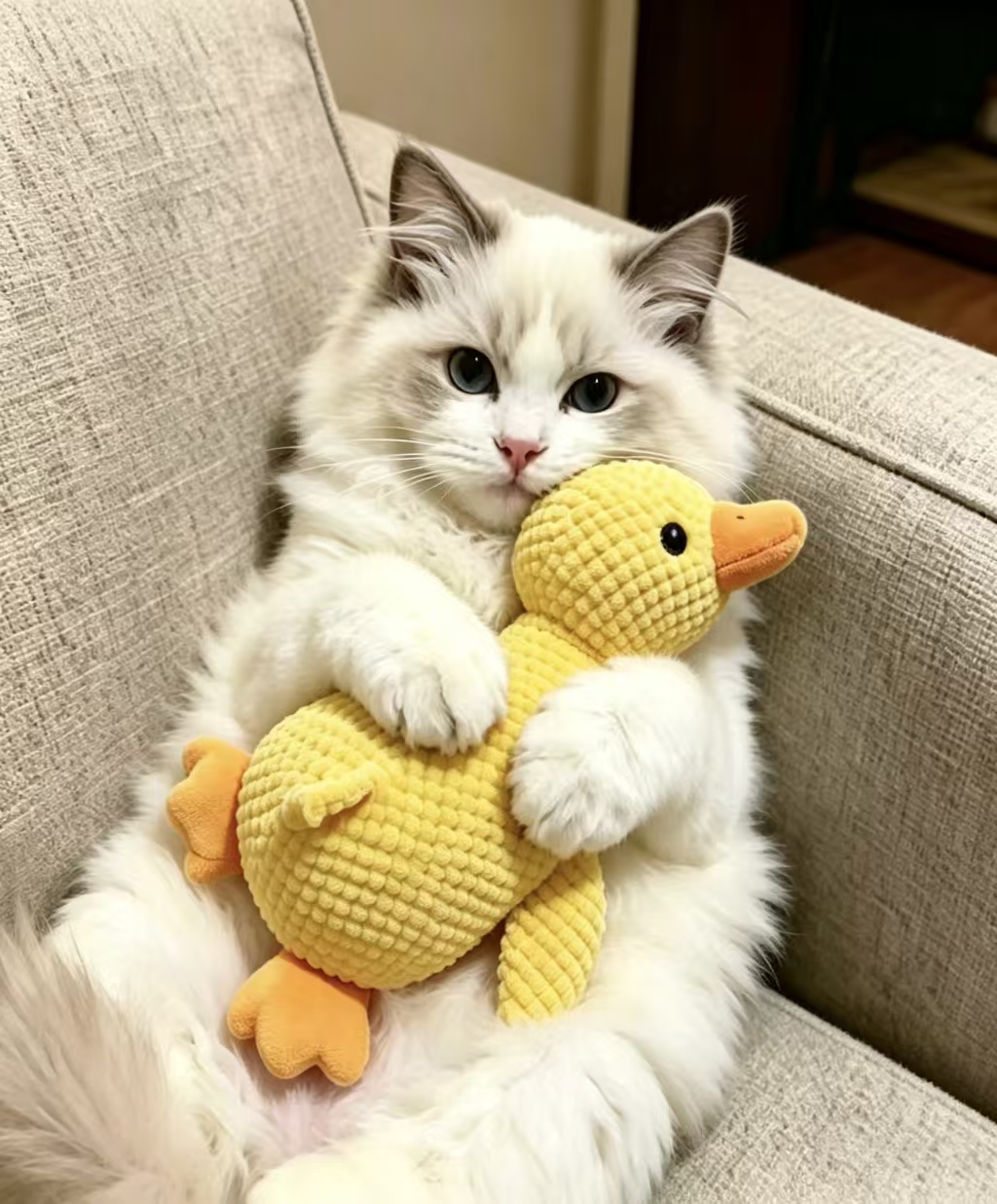
6. Shop Smart with Gifts and Thrifts
Preparing for a new cat does not have to strain your budget. The idea behind gifts and thrifts is finding high-quality, affordable items that deliver practical value. Prioritize safety, durability, ease of cleaning, and suitability for your pet instead of focusing only on the lowest price.
Spend first on essentials such as a suitable carrier, reliable feeding supplies, litter facilities, and safe toys. You can often save money by choosing simple designs, comparing materials, and purchasing multipurpose products when they genuinely meet your needs.
For example, a washable blanket may serve as a familiar resting spot in several rooms. A cardboard scratching pad may be inexpensive yet useful. A well-designed interactive toy may offer more ongoing value than a collection of novelty items your cat ignores.
Consider gifts for new cat parents, too. A starter kit with a feeding bowl, grooming brush, and a safe toy can be a thoughtful adoption gift. If you are buying secondhand, inspect items carefully and clean them appropriately; avoid damaged products or used items that cannot be sanitized safely.
At Mini, the goal is to help pet owners discover practical pet supplies and thoughtful gifts that balance usefulness, quality, and affordability. Choose products that fit your pet's needs rather than buying accessories simply because they are trending.
7. Build a Routine That Helps Your Cat Thrive
Even the best shopping list cannot replace patience and consistent care. During the first few days, let your cat explore gradually and avoid overwhelming them with too many visitors, noises, or new experiences.
Keep feeding times reasonably consistent, clean the litter box regularly, provide daily opportunities for play, and make sure quiet resting places remain available. Observe your cat's behavior so you can identify which toys, sleeping spots, and feeding arrangements work best.
Arrange a veterinary visit to discuss preventive care, vaccinations, parasite control, identification, and age-appropriate nutrition. If your cat stops eating, has persistent vomiting or diarrhea, struggles to urinate, or shows other concerning changes, contact a veterinarian promptly. Difficulty urinating can be an emergency, particularly in male cats.
Remember that every cat has a unique personality. Some will immediately investigate every toy, while others need time to feel secure. A calm environment, safe resources, and regular positive interaction will help you build trust.
Frequently Asked Questions
1. What supplies do I need before bringing home a cat?
Start with appropriate cat food, food and water bowls, a litter box and litter, a carrier, a scratching surface, a comfortable resting spot, and several safe toys. Add grooming supplies and other accessories according to your cat's needs.
2. How can I keep my indoor cat entertained while I am away?
Provide safe independent-play options, scratching surfaces, hiding places, and suitable puzzle feeders. Rotate toys to maintain interest, and reserve toys with strings, loose parts, or other hazards for supervised use. Do not leave a cat dependent on a single interactive toy for stimulation.
3. How can I save money on essential pet supplies without compromising quality?
Compare materials, cleaning requirements, durability, and product suitability. Buy necessities first, consider simple multipurpose items, and avoid damaged secondhand products. For toys and feeders, choose safety and suitability over price alone.
Give your new companion a great start. With the right essentials, engaging play, and a safe environment, you can make the transition into your home more comfortable for both you and your cat. Explore Mini's pet supplies to find practical options for everyday care, enrichment, and thoughtful gifting.
- Previous: How to Create Custom Greeting Cards Online for Birthdays
- Next: None
Post Comment
Your email address will not be published.Required fields are marked. *
We and our partners use cookies and other technologies to improve your experience, measure performance, and tailor marketing. Details in our Privacy Policy.